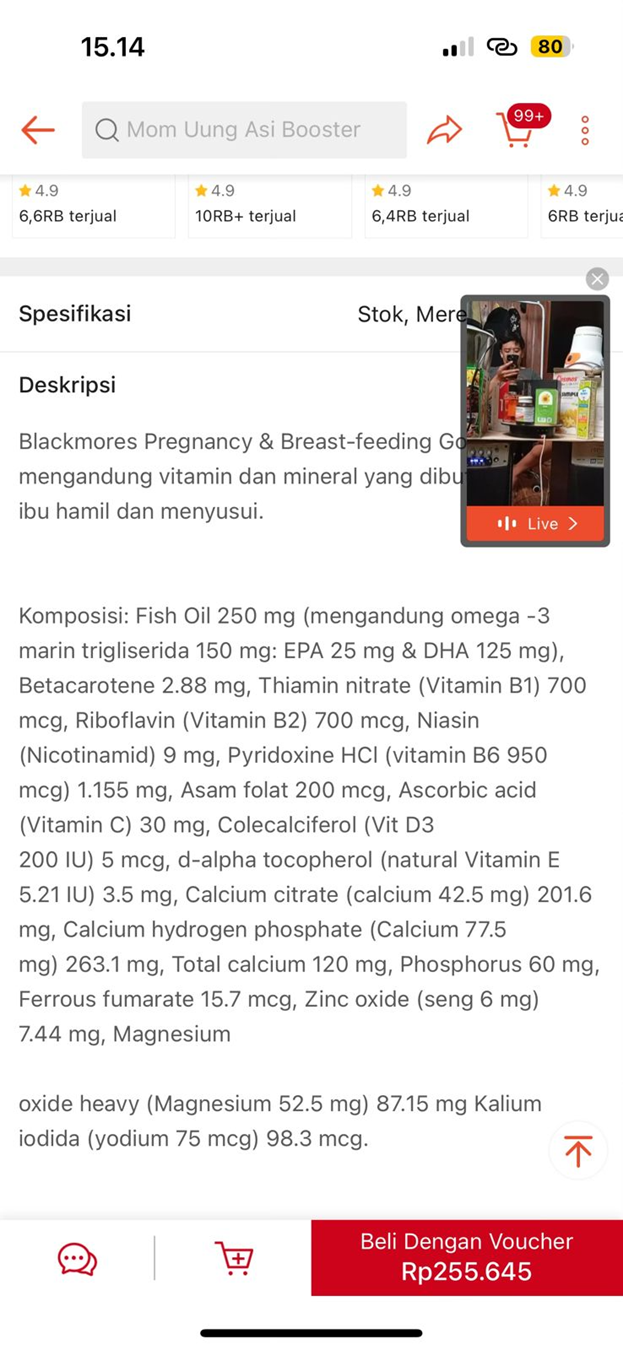
Physiological Response of Sumatran Elephant (Elephas Maximus Sumatranus) to Land Cover Changes at TWA Holiday Resort, North Sumatra
DOI:
https://doi.org/10.32734/jsi.v9i02.25779Keywords:
land cover changes, Physiological Conditions, Stress Levels, Sumatran Elephants, TWA Holiday ResortAbstract
Land cover changes due to anthropogenic activities are one of the main threats to the sustainability of the Sumatran Elephant (Elephas maximus sumatranus) habitat. This study aims to analyze the relationship between the physiological conditions of Sumatran Elephants and land cover changes in the North Sumatra Holiday Resort Nature Tourism Park (Indonesian term: Taman Wisata Alam/TWA). The study was conducted on three individual elephants, namely Nurhalimah, Sudarwanto, and Merry. The physiological data observed included age, body temperature, body condition, appetite, fecal condition, rest duration, and stress levels. Land cover data were obtained through the interpretation of satellite imagery and secondary data from the area. Data analysis was carried out using multiple linear regression, beginning with classical assumption tests and hypothesis tests. The results of the study indicate that during the period 1990–2024, there was a very significant change in land cover, where secondary dryland forests were almost entirely converted into plantations, settlements, and other non-forest lands. The results of the F test indicate that all physiological variables simultaneously had a significant effect on land cover changes (p<0.05). The Adjusted R Square value of 0.652 indicates that the observed physiological variables can explain 65.2% of the variation in land cover change. Partially, only stress levels significantly influence land cover change with a significance value of 0.003 and a beta coefficient of 1.120. These results indicate that stress levels are the most sensitive physiological indicator in responding to habitat changes. Therefore, conservation efforts for Sumatran Elephants at the TWA Holiday Resort need to be directed at habitat restoration and reducing anthropogenic pressures to maintain the welfare and sustainability of the elephant population in the area.
Downloads
References
[1] H. Y. S. H. Nugroho, F. Nurfatriani, Y. Indrajaya, T. W. Yuwati, S. Ekawati, M. Salminah, et al., "Mainstreaming ecosystem services from Indonesia's remaining forests," Sustainability, vol. 14, no. 19, p. 12124, 2022. doi: 10.3390/su141912124.
[2] A. Gopala, O. Hadian, Sunarto, A. Sitompul, A. Williams, P. Leimgruber, S. E. Chambliss, and D. Gunaryadi, "Elephas maximus ssp. sumatranus," The IUCN Red List of Threatened Species, 2011. [Online]. Available: doi: 10.2305/IUCN.UK.2011-2
[3] A. K. Batar, T. Watanabe, and A. Kumar, "Assessment of land-use/land-cover change and forest fragmentation in the Garhwal Himalayan Region of India," Environments, vol. 4, no. 2, p. 34, 2017. doi: 10.3390/environments4020034
[4] R. Kumar, A. Kumar, and P. Saikia, "Deforestation and forests degradation impacts on the environment," in Environmental Degradation: Challenges and Strategies for Mitigation. Cham: Springer International Publishing, 2022, pp. 19–46. doi: 10.1007/978-3-030-95542-7_2.
[5] U. A. Daulay, A. G. Ahmad, and A. Purwoko, Fenomena Antropogenik di Kawasan Konservasi: Ancaman pada Gajah Sumatra (Elephas maximus sumatranus). Medan: Pustaka Aksara, 2025.
[6] A. Purwoko, P. Patana, and U. A. Daulay, "Integration of conservation and economic development in Gunung Leuser National Park," in IOP Conference Series: Earth and Environmental Science, vol. 739, no. 1, p. 012055, 2021. doi: 10.1088/1755-1315/739/1/012055.
[7] S. D. Azahra, Konservasi Satwa Liar di Kawasan Perkotaan. Jakarta: PT Sonpedia Publishing Indonesia, 2024.
[8] J. F. Sahusilawane, Konservasi Satwa Liar di Indonesia: Teori, Praktik, dan Masa Depan. Jakarta: Filosofis Indonesia Press, 2025.
[9] M. Z. Arifin, M. F. Pratama, U. K. Mutmainnah, M. S. Ramadhan, and M. Rasyid, "Revitalisasi konservasi Gajah Sumatera di Way Kambas dan perlindungan gajah yang di ambang kepunahan," Jurnal Thengkyang, vol. 8, no. 1, pp. 30–47, 2023.
[10] D. P. Poetra and R. Fajriyah, "Pengaruh motivasi kerja dan kedisiplinan terhadap kinerja pegawai Biro OSDM Kementerian Perindustrian RI dengan menggunakan metode analisis regresi linier berganda," Emerging Statistics and Data Science Journal, vol. 2, no. 1, pp. 10–21, 2024.
[11] Direktorat Jenderal Planologi Kehutanan, Pedoman Pemantauan Penutupan Lahan. Peraturan Direktur Jenderal Planologi Kehutanan Nomor P.1/VII-IPSDHI/2015, 2015.
[12] S. R. D'Araujo, "The relationship between body and environmental temperatures in savanna elephants (Loxodonta africana)," M.S. thesis, Univ. of Pretoria, Pretoria, South Africa, 2015.
[13] U. A. Daulay, A. G. Ahmad, and A. Purwoko, "Analysis of land cover change due to deforestation at Holiday Resort Nature Park, North Sumatra Province, Indonesia," Journal of Sylva Indonesiana, vol. 6, no. 1, pp. 44–58, 2023. doi: 10.32734/jsi.v6i01.9229.
[14] D. Mota-Rojas, A. M. Pereira, J. Martínez-Burnes, A. Domínguez-Oliva, P. Mora-Medina, A. Casas-Alvarado, et al., "Thermal imaging to assess the health status in wildlife animals under human care: Limitations and perspectives," Animals, vol. 12, no. 24, p. 3558, 2022. doi: 10.3390/ani12243558.
[15] F. Muharram, Z. Zulkharnaim, I. P. G. D. Widiarta, K. D. D. Adiputra, A. N. AS, M. R. Fadillah, et al., "Correlation of Body Condition Score and Chest Circumference as Parameters of Reproductive Efficiency Level of Bali Cattle in Barru Regency," in Prosiding Seminar Nasional Integrasi Pertanian dan Peternakan, vol. 4, no. 1, pp. 431–437, Jan. 2026.
[16] F. U. Datta, Dasar Ilmu Nutrisi dan Pakan Hewan. Yogyakarta: Deepublish, 2023.
[17] G. D. Winarno, A. Darmawan, and S. P. Harianto, "Studi perilaku makan Gajah Sumatera (Elephas maximus sumatranus) pada induk dan anak gajah di Elephant Response Unit (ERU) Tegal Yoso Taman Nasional Way Kambas," Jurnal Hutan Tropis, vol. 9, no. 1, pp. 203–210, 2021.
[18] T. Bodo, B. G. Gimah, and K. J. Seomoni, "Deforestation and habitat loss: Human causes, consequences and possible solutions," Journal of Geographical Research, vol. 4, no. 2, 2021. doi: 10.30564/jgr.v4i2.3059.
[19] S. S. Pokharel, B. Singh, P. B. Seshagiri, and R. Sukumar, "Lower levels of glucocorticoids in crop-raiders: Diet quality as a potential pacifier against stress in free-ranging Asian elephants in a human-production habitat," Animal Conservation, vol. 22, no. 2, pp. 177–188, 2019. doi: 10.1111/acv.12450.
[20] A. R. P. Setyadi, A. R. Ryadin, D. A. Umaroh, T. J. Purnama, Y. Messe, et al., Konservasi Keanekaragaman Hayati Hutan Tropis. Jakarta: LSO Creative, 2025.
Downloads
Published
How to Cite
Issue
Section
License
Copyright (c) 2026 Ulil Amri Daulay, Bilqis Nur Mustofa, Agus Purwoko, Farhan Reza Pahlevi; Ratna Sari; Ridwan

This work is licensed under a Creative Commons Attribution-ShareAlike 4.0 International License.